

Wildlife Valuation vs. Wildlife Exemption: What Hill Country Land Buyers Should Know

Wildlife Exemption vs. Wildlife Valuation: What Every Texas Land Buyer Should Verify
Buyers looking at Hill Country land, a home on acreage, or a ranch property usually hear the term “wildlife exemption.” The more accurate term is wildlife valuation, and that affects how the property should be evaluated before closing.
On qualifying property, it can materially change the taxable value of the land. But the shorthand can also create false confidence, especially when buyers assume it tells the whole story.
The Difference Between Wildlife Exemption and Wildlife Valuation
Many buyers call it a “wildlife exemption,” but the more accurate term is wildlife valuation. Property taxes do not disappear. What changes is how qualifying land is appraised.
For Hill Country buyers, the better question is not, “Does this property have a wildlife exemption?” It is, “How is the land valued today, what supports that status, and what needs to continue after closing?”
Why This Matters on Higher-Value Acreage
On higher-value Hill Country land, annual carrying costs matter. That is especially true when someone is buying acreage for a long-term hold, a future homesite, a ranch property, or land they plan to improve over time.
A property that qualifies for wildlife valuation may carry a materially different land tax burden than a similar tract taxed from market value. That can change carrying costs, holding assumptions, future homesite plans, and improvement decisions.
The tax impact depends on the tract, the county, the applicable tax rates, how the land is classified, and whether the valuation is properly maintained. It is not something buyers should treat as automatic, and it does not work the same way on every property.
What to Verify Before Closing on Land with Wildlife Valuation
Wildlife management can qualify as agricultural use for certain land, but buyers still need to verify the details.
A buyer should expect to verify four things:
whether the land is already in a qualifying valuation framework
what wildlife management plan or practices support that status
what the county appraisal district expects from the owner
what filing or timing requirements apply after a purchase
Buyers often hear that a property has a wildlife exemption and assume that settles it. Usually it does not.
Before taking title, buyers should get clear answers to a few practical questions:
What exactly is the current valuation status of the land?
What documentation supports it?
What, if anything, needs to be filed after closing?
What management practices are in place today?
What would the owner be responsible for maintaining going forward?
How does the county appraisal district view this specific tract?
If a buyer relies on shorthand instead of verifying the actual status and requirements, the tax outcome after closing may be different than expected.
Buyers should also understand that the land and the home are not treated the same way. A property may benefit from favorable land valuation treatment while the house, improvements, and homesite area are appraised differently. That is why buyers should verify exactly how the tract is being appraised.
Buyers should also verify whether tract size, prior subdivision history, or county-specific requirements affect qualification.
What Can Go Wrong After Closing
The biggest mistake is usually assuming the prior setup automatically takes care of itself after closing.
If qualifying use ends, required steps are missed, or a buyer’s assumptions do not match the actual requirements tied to the property, the financial consequences can be real. This should be sorted out before closing, not cleaned up afterward.
How RanchesAt Handles Wildlife Valuation Across Our Communities
At RanchesAt, all the properties discussed here are under wildlife valuation, but they are not all managed the same way.
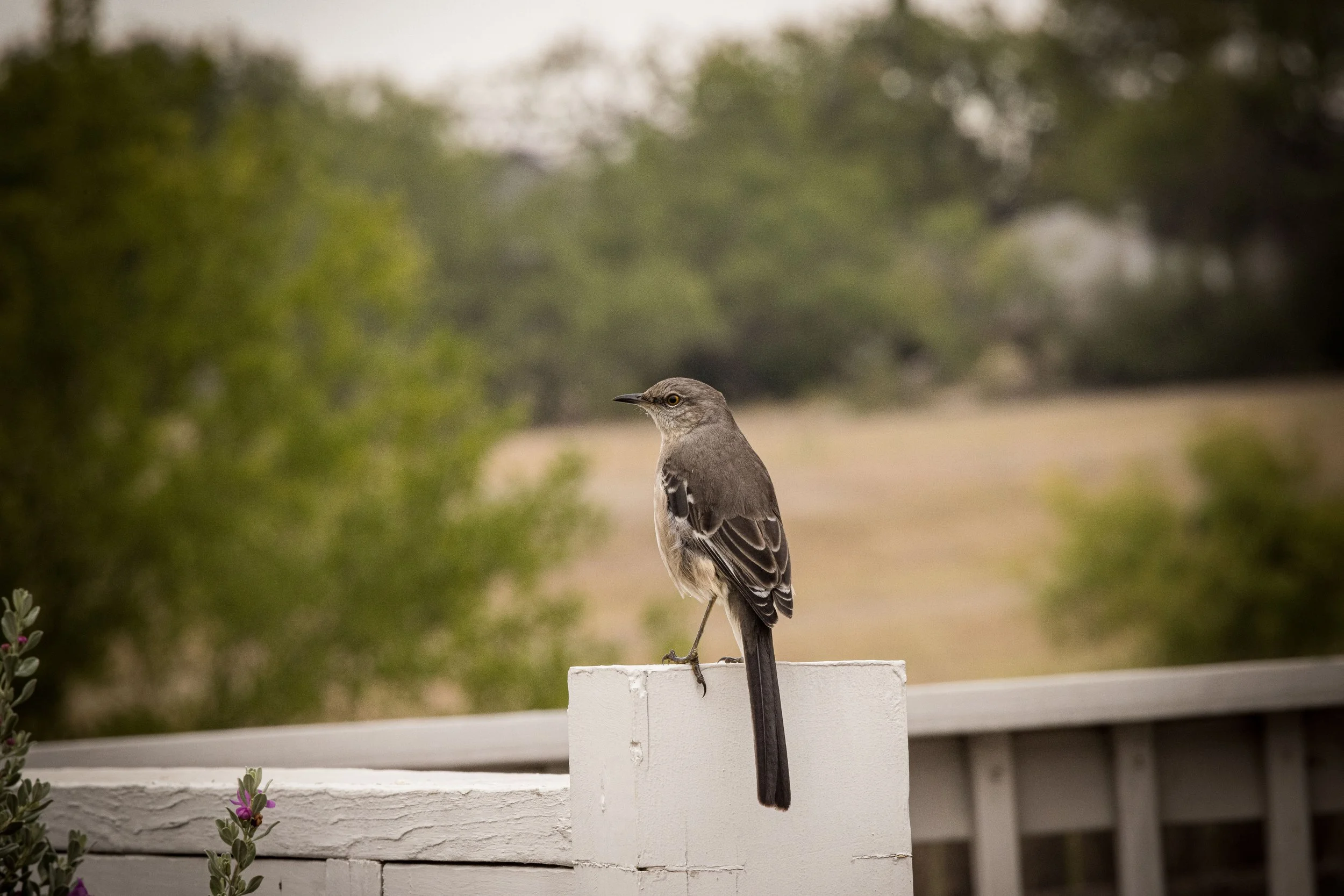
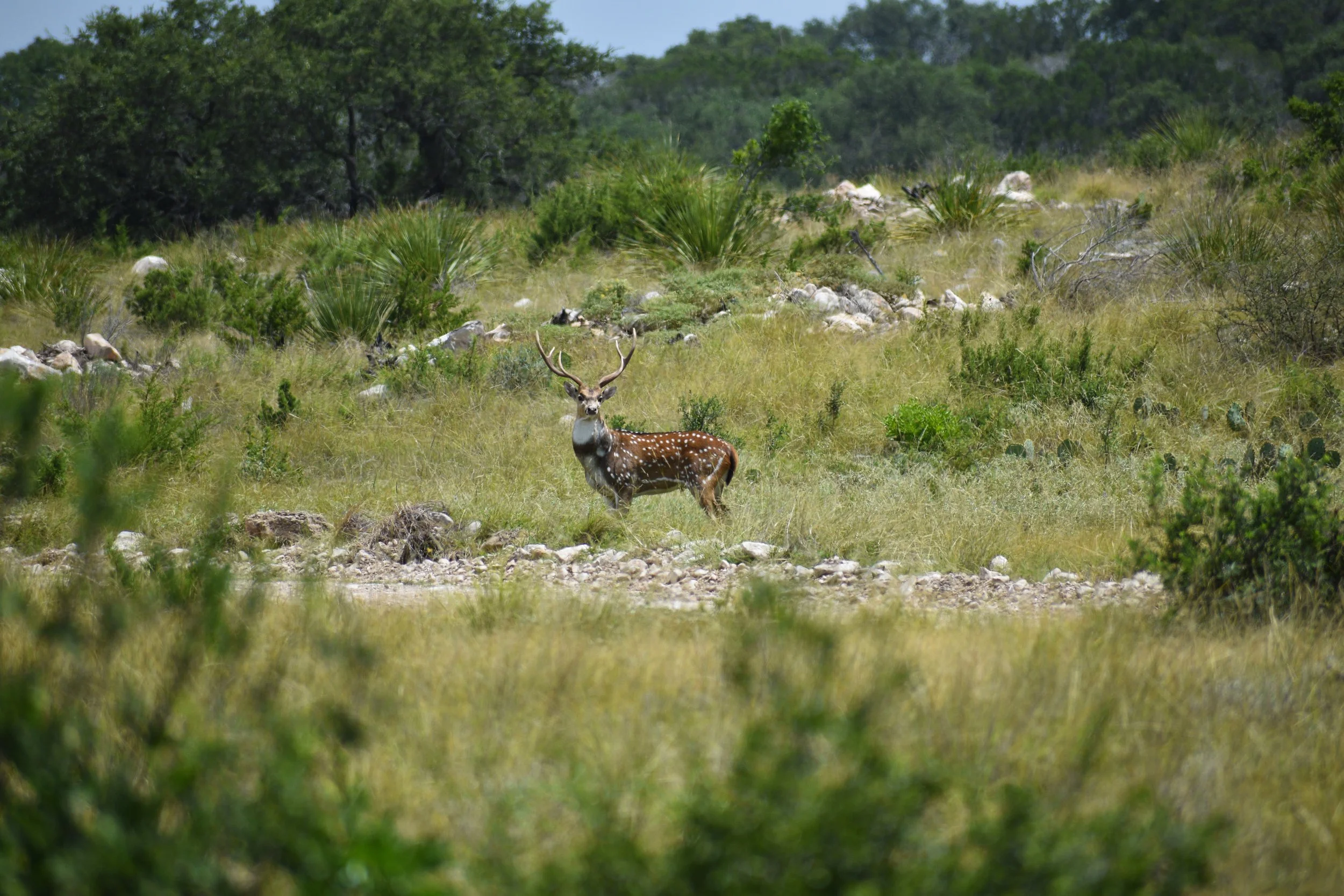
At Big Mountain, agricultural valuation is supported through a managed wildlife program including exotics. At Canyon Crossing, Dripping Springs, and Sentinel Peak, it is supported through bird-based wildlife management, including bird feeders and nesting sites placed throughout the ranch.
The specifics differ by property, and buyers should verify status and filing requirements with the relevant county appraisal district and qualified professionals before closing.
Three Things to Confirm Before You Close
Before getting comfortable with a property represented as carrying wildlife valuation, buyers should pin down three points:
confirm the status of the land directly rather than relying on shorthand
understand the ongoing responsibility after closing
make sure the property still makes sense after pressure-testing the assumptions around taxes, management, and ongoing ownership costs
If you are evaluating Hill Country acreage, verify how the land is valued today, what must continue after closing, and what responsibilities come with it. If you want to see how RanchesAt handles those issues in practice, explore our communities or contact us to discuss a specific property.
FAQ
What is the Texas wildlife exemption?
“Wildlife exemption” is the common shorthand, but the more accurate term is wildlife valuation on qualifying land. The more useful question is how the land is currently valued, what supports that status, and what must be maintained after purchase.
Does wildlife valuation mean I do not pay property taxes?
No. Buyers should not treat it as a total tax waiver. The practical issue is whether qualifying land is being valued under a framework that can materially change the taxable value of the land.
Why does this matter when buying Hill Country land?
Because annual carrying costs matter. On qualifying acreage, valuation treatment can have a meaningful effect on the cost of owning land over time.
Can I assume a property’s current wildlife valuation will just continue after I buy it?
That is not a safe assumption. Buyers should confirm status, understand what documentation exists, and verify what steps or filings may be required after closing.
What should I verify before closing on land represented as having wildlife valuation?
Confirm the land’s current valuation status, what management approach supports it, what the county appraisal district expects, and what responsibilities may fall to you after purchase.
Do any RanchesAt communities involve wildlife management?
Yes. Big Mountain is supported through a managed wildlife program including exotics, while Canyon Crossing, Dripping Springs, and Sentinel Peak are supported through bird-based wildlife management.