

What Dripping Springs Taught Me About Growth
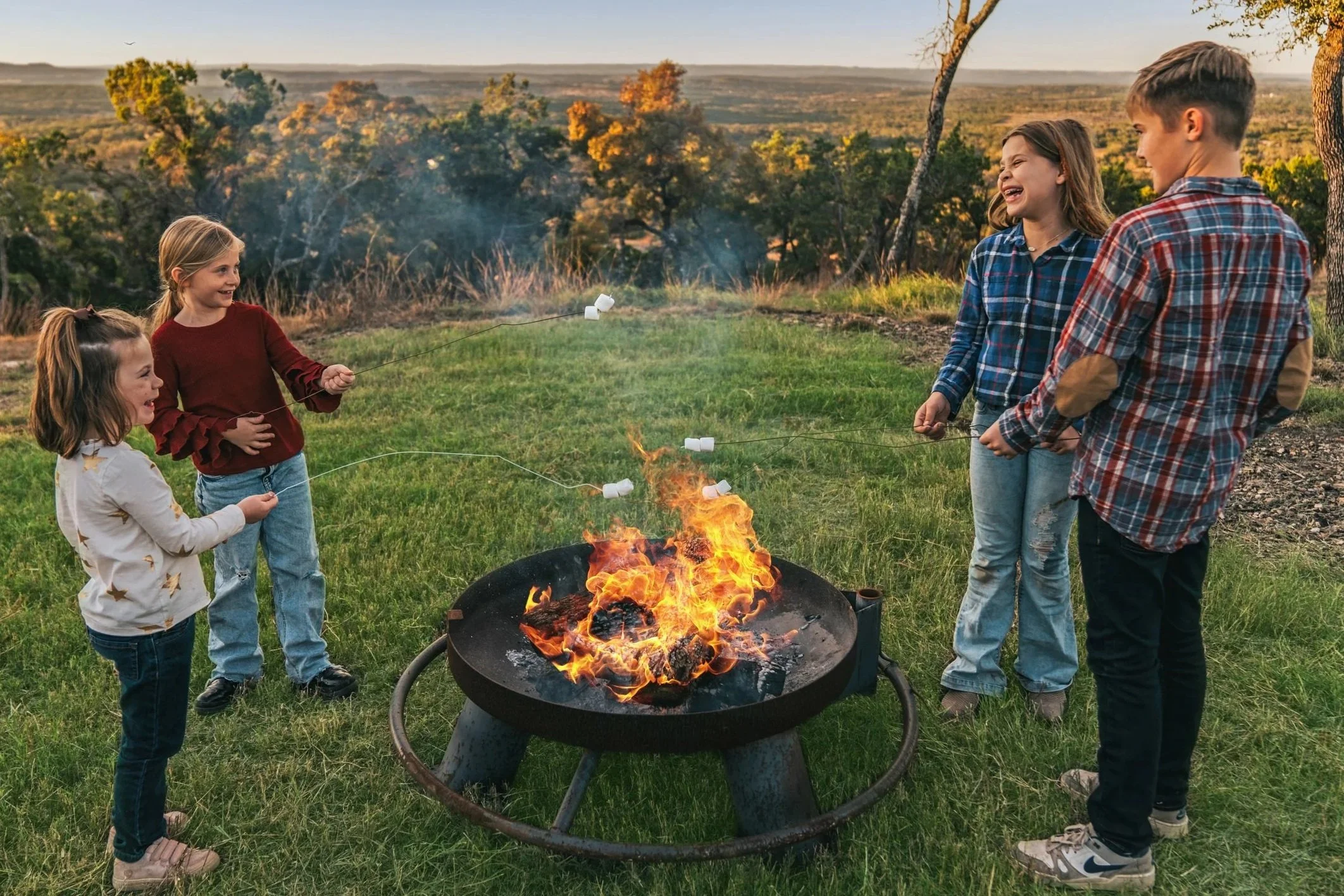
What Dripping Springs Taught Me About Growth
I have watched Dripping Springs change over the past decade.
Some of it has been hard to watch. Traffic on 290. Subdivisions where open land used to stretch to the horizon. The slow replacement of old ranch fences with privacy walls.
But some of it has been different. A kind of growth that adds without erasing. And I think about that distinction often — especially when I walk the land at RanchesAt Dripping Springs.
What the Land Holds
Spread across 389 acres west of town, RanchesAt Dripping Springs sits at elevations reaching 1,600 feet. The views from this land are among the most expansive I have found in the Hill Country. Wide. Layered. The kind that makes you feel like you are standing at the edge of something much larger than yourself.
The terrain here is rich. Majestic oak groves. Wet-weather creeks run through the property. Hidden grottos tucked into limestone draws. A string of ponds that winds through the heart of the development, adding a water element that is rare at this elevation.
Community Features at a Glance
26 exclusive tracts ranging from 12 to 18 acres. Each one is positioned for views. Each one with room to build a home, a barn, a guest house — or all three. A community wildlife exemption applies across the entire 389 acres, keeping the tax basis lower and the land managed properly. Architecturally designed gated entrance and paved internal roads throughout.
Why We Built Here
The Austin corridor has always attracted families who want more. More space. More quiet. More permanence.
For decades, that meant moving further out. But as those areas have grown, the search has continued westward — toward land that still feels like land.
Dripping Springs sits at an interesting edge. Close enough to Austin — about 40 miles to the airport — that it remains genuinely convenient. Far enough from the center that you can still hear the wind move through the cedar in the morning.
We found this property because we were looking for exactly that balance. Land with serious elevation and views. Proximity to a town that is growing thoughtfully. Room for 26 families, and no more than 26 families.
The Town Itself
I have a deep respect for what Dripping Springs has chosen to be.
It has not tried to become something it is not. The local breweries and wineries feel like extensions of the land, not departures from it. The schools are strong. The community is engaged.
If you spend a day there — walking the area, eating at the local restaurants, talking to people who have lived there for twenty years — you leave with a sense of something intact. Something that has absorbed growth without being redefined by it.
That spirit guided how we approached this property. We did not want to put 26 homesites on 389 acres and call it done. We wanted the land to feel like it had always been there.
On Choosing the Right Kind of Growth
Kim and I believe growth and stewardship are not opposites. The Hill Country proves that daily.
You can build beautifully, responsibly, at the right scale — and leave the land better than you found it. Dripping Springs shows that it is possible at the community level. RanchesAt Dripping Springs is our attempt to show it is possible at the development level.
The Views at Sunset Are Worth the Drive
If you are searching for luxury ranchette land near Austin — real acreage, real views, and wildlife exemption tax benefits — we would be glad to show you what we have built here.
FAQ
Q: Where is RanchesAt Dripping Springs located?
A: 3310 FM 165, Dripping Springs, TX 78620 — approximately 40 miles from Austin-Bergstrom International Airport.
Q: How many tracts are available?
A: 26 exclusive tracts ranging from 12 to 18 acres across a 389-acre property.
Q: Does RanchesAt Dripping Springs have a wildlife exemption?
A: Yes. A community wildlife exemption applies across the entirety of RanchesAt Dripping Springs.
Q: What amenities does the community include?
A: A gated, architecturally designed entrance, paved internal roads, hand-cleared native terrain, wet-weather creeks, ponds, and Hill Country grottos.