

What the Hill Country Has Taught Me About Land, Legacy, and What Lasts | RanchesAt
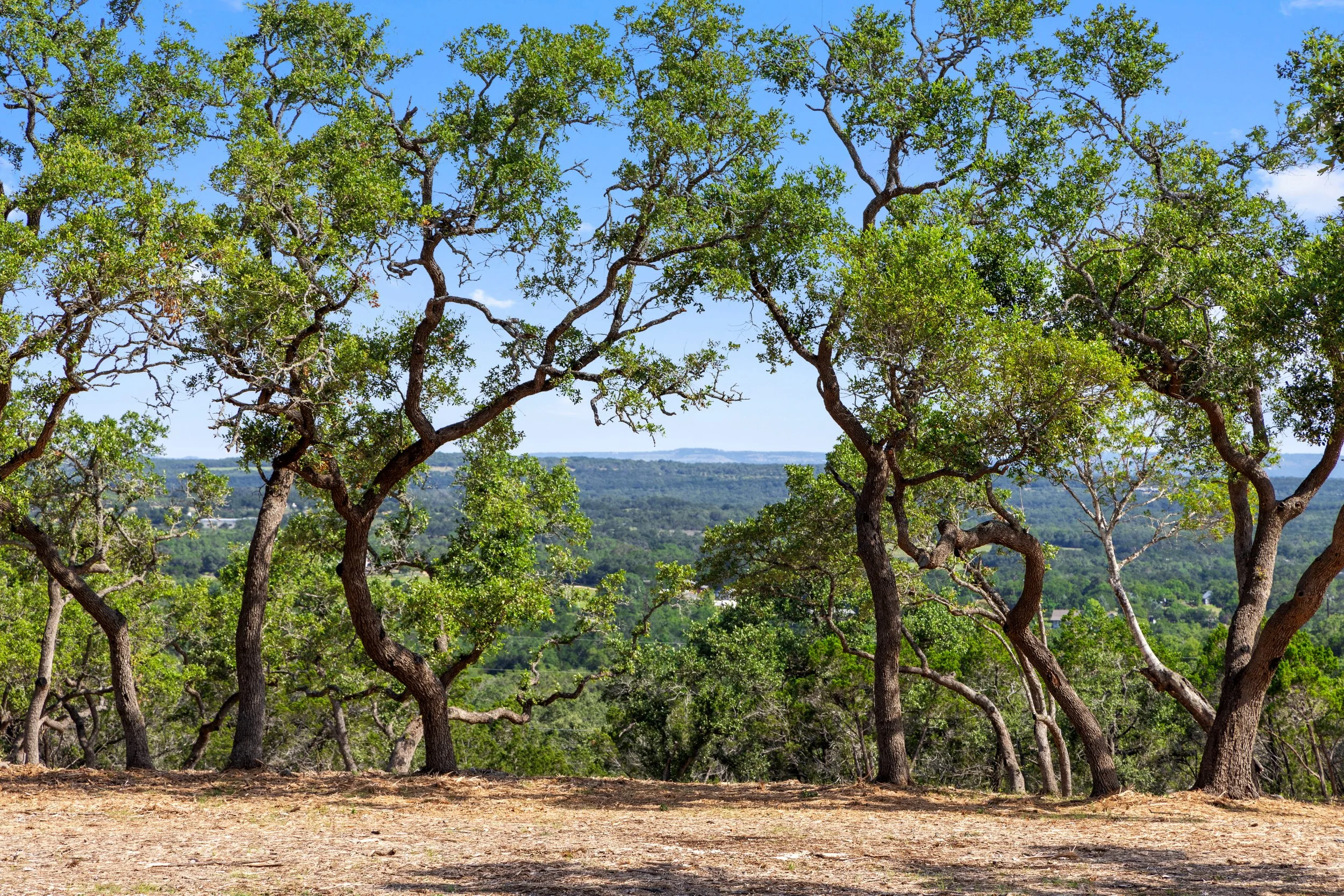
The Hill Country Has a Way of Teaching You What Matters
There is a particular kind of quiet that comes in the early morning on a Hill Country ridge.
Before the wind picks up. Before the day has any weight to it. Just the sound of birds moving through the cedar and the way the light starts to separate the sky from the land.
I have spent a lot of mornings like that. Thinking. Watching. Trying to understand what we are actually building.
RanchesAt launched as four individual communities — Sentinel Peak, Big Mountain, Dripping Springs, and Canyon Crossing. Each one is a different piece of the Hill Country, each with its own character. But from the beginning, the vision was always a single thing.
A place where families could build something that lasts.
When Business Thinking Is Not Enough
I spent eighteen years at Cardtronics. Helped build it from the early days into a multibillion-dollar global operation. COO. President of Global Services. Quarterly targets, board accountability, global scale.
I learned a great deal about what it takes to build something large.
What I learned later — and more slowly — is that building something large and building something lasting are not always the same project.
The ranch lifestyle has a way of clarifying that distinction.
What Stewardship Actually Means
When Kim and I moved onto our own Hill Country property, I started to understand something I had not fully understood before.
Land is not passive. It responds to how you treat it.
Neglect it, and the cedars take over. Ignore the native grasses, and the soil loses what makes it valuable. Let the water tables drop, and the creek beds go quiet.
But tend it thoughtfully — manage the wildlife, clear the invasives, respect the natural drainage — and the land gives back more than you put in.
That is what stewardship means. It is not a tagline. It is daily, quiet work. And it changes the way you think about everything else.
Why We Design Communities the Way We Do
Every RanchesAt property starts with one question: what makes this land worth protecting?
At Sentinel Peak, it was the ridgeline, the grottos, the views down toward Wimberley. At Dripping Springs, it was the elevation, the ponds, the hardwood canopy. At Big Mountain, it was that jaw-dropping moment when you first reach the top and understand what 1,400 feet looks like in this country. At Canyon Crossing, it was the density of the oak canopy — a wooded privacy that is rare in this part of Texas.
The answer shapes everything. Road placement. Tract sizing. Where we clear and where we do not.
We are not interested in fitting as many lots as possible onto a parcel. We are interested in protecting what made us want to develop it in the first place.
The Ranch Lifestyle at a Scale That Works
Enough Land to Breathe
Not everyone needs 500 acres.
Our tracts run from roughly 8 to 20 acres at Big Mountain. Twelve to 18 at Dripping Springs. Similar ranges at Canyon Crossing and Sentinel Peak — with some Sentinel Peak tracts stretching close to 100 acres for those who want more.
That is enough land to feel genuinely removed from the world. Enough for a horse or two. A garden. A guest house. Room for kids or grandkids to run without running out of space.
Enough Land to Steward
The wildlife exemptions in place at Big Mountain, Dripping Springs, and Sentinel Peak are not just a tax benefit — though they are meaningful. They are a commitment. A legal structure that says: this land will be managed for wildlife. Not harvested. Not exhausted. Managed.
That commitment shapes the kind of community these properties attract. People who are serious about land. Serious about legacy. Serious about the kind of place they want to pass to their children.
An Invitation
RanchesAt is now unified under a single home at ranchesat.com. Five communities. One philosophy.
If you have been considering a move to the Hill Country — or a second property, or a place to build what your family has always dreamed about — I would ask you to walk one of these properties with us.
The drive in tells you something. The view from the ridge tells you more. But standing still, in that early morning quiet, with the light coming across the limestone and the turkeys moving through the grass below — that is when you understand why we do this.
The land speaks for itself. We just made sure it had a good place to stand.
Request a private tour at ranchesat.com.
FAQ — Brand & Philosophy
-
RanchesAt is a Texas Hill Country luxury ranchette developer behind five gated communities: Big Mountain near Marble Falls, Dripping Springs west of Austin, Driftwood between Wimberley and Dripping Springs, Canyon Crossing between Wimberley and Canyon Lake, and Sentinel Peak in Fischer, TX.
-
All five communities are in the Texas Hill Country. Big Mountain is near Round Mountain and Marble Falls. Dripping Springs sits along FM 165, west of Austin. Driftwood sits on RR 12 between Wimberley and Dripping Springs. Canyon Crossing and Sentinel Peak are both near Wimberley and Canyon Lake.
-
Tract sizes vary by community. Big Mountain: 8–20 acres. Dripping Springs: 12–18 acres. Canyon Crossing: 12–16 acres. Sentinel Peak: 16 to nearly 100 acres.
-
RanchesAt communities are hand-cleared of invasive species, designed for low density, and — where applicable — carry wildlife exemptions requiring active wildlife management on each tract. The goal is to protect and enhance the natural character of the land.
-
Request a private tour at ranchesat.com. Tours are available by appointment for all five communities.